Categories
General

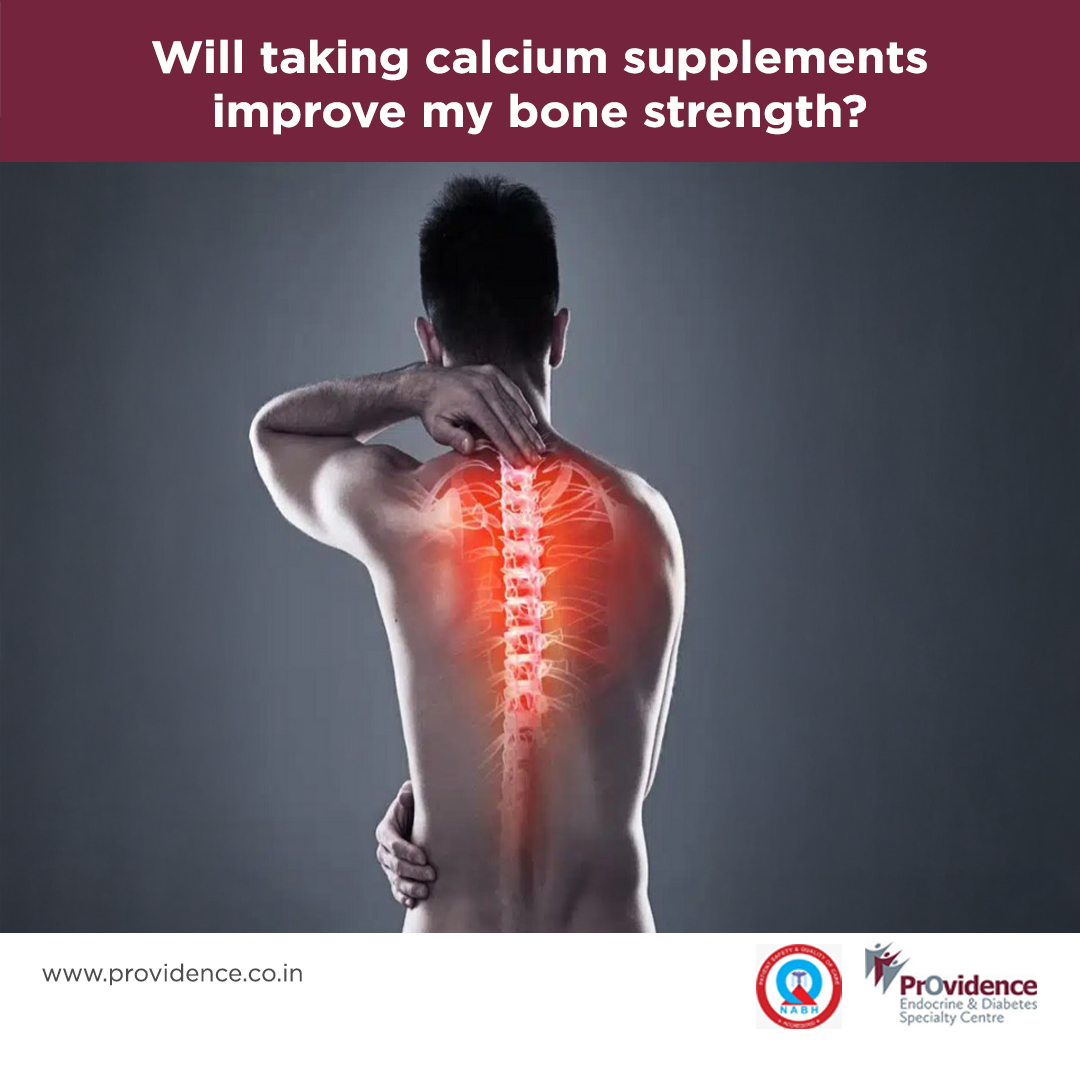
Will taking calcium supplements improve my bone strength?

Calcium is an essential element that plays an important role in skeletal mineralization. It is essential for several physiological processes including muscle contractions, nerve functioning, blood clotting and release of some hormones. Bones are the main storage site of calcium in the body.

Our body cannot make calcium. The body only gets the calcium it needs through the food you eat, or from supplements. If you do not get enough calcium in your diet, or if your body does not absorb enough calcium, your bones can get weak or will not grow properly. Bones are constantly being remodelled with old bone being resorbed and new bone being formed. Bone density refers to how much calcium and other minerals are present in a section of your bone. Bone density is highest between ages 25 and 35. It goes down as you get older. This can result in brittle, fragile bones that can break easily, even without a fall or other injury, which is termed as osteoporosis.

Post-menopausal ladies and those on immunosuppressant drugs are prone to osteoporosis.

The digestive system normally absorbs only 15% to 20% of the calcium taken in your diet. Vitamin D is the hormone that helps the gut absorb more calcium. Many older adults have low calcium intake in the diet (mainly in milk, cheese, and yogurt) . Vitamin D levels may also be low which can make gut calcium absorption low. Because of this, as you age, your body still needs calcium to keep your bones dense and strong. Recommendation is to take 1,200 milligrams of calcium and 800 to 1,000 international units of vitamin D a day.

Follow a diet that provides the proper amount of calcium, vitamin D, and protein. These nutrients will not completely stop bone loss, but they will help ensure that your body has the materials it needs to build bones. Remaining fit and active can also protect bones and keep them stronger. Avoiding smoking also protects bones and keeps them stronger.

Dr. Deepa G, MHSc (Diab), Dip (Diab)
Categories
General

What is the recommended calcium intake for children, and what are the best dietary sources?

Calcium is one of the most important minerals for growing children. It plays a crucial role in building strong bones and teeth, supporting muscle function, and helping the heart and nerves work properly.

Recommended Calcium Intake for children : –
As per Indian Guidelines (ICMR):
Age Group Daily Calcium Needed
1–3 years 500 mg
4–6 years 550 mg
7–9 years 650 mg
10–12 years 850 mg
13–17 years 1000 mg

To help children meet their daily calcium requirements, it’s essential to incorporate calcium-rich foods into their regular meals. Calcium is found in many foods—both animal- and plant-based—making it easy to add to any diet, including vegetarian and vegan options.

Dairy Foods (Great sources)
Milk
Curd (yogurt)
Cheese or paneer
Buttermilk

Plant-Based & Indian Foods
Ragi (finger millet)
Amaranth leaves
Soybeans and tofu
Almonds
Sesame seeds
Dried figs

Fortified Foods
Fortified plant milk (soy, almond)
Fortified cereals and flour

Calcium is a key nutrient that supports your child’s growth and bone development. By including a variety of calcium-rich foods—like dairy products, leafy greens, nuts, and fortified items—you can easily meet their daily needs. Start early, offer balanced meals, and make healthy eating a habit. Strong bones today mean a healthier tomorrow.

Mrs. Revathy V.K, Msc

Categories
General

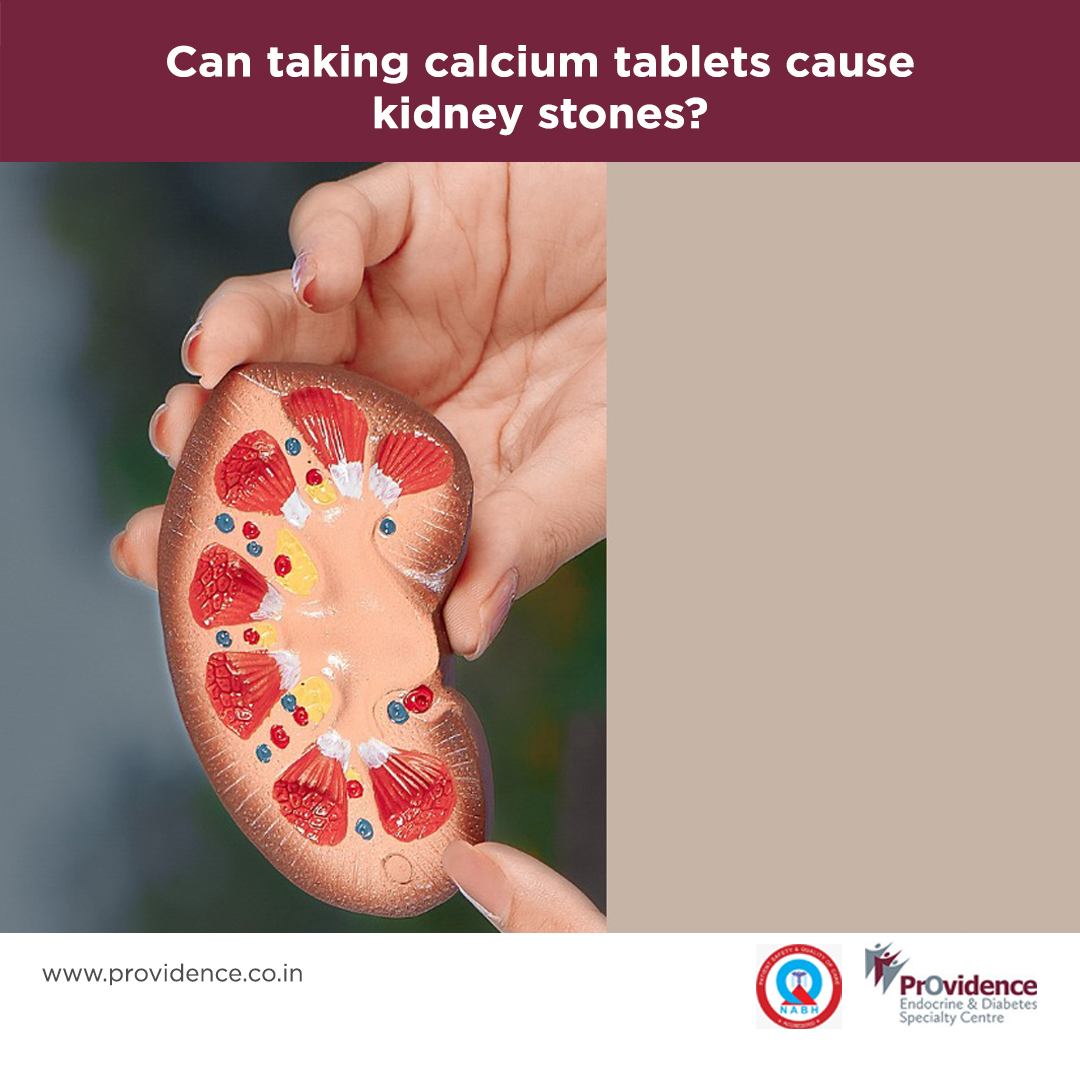
Can taking calcium tablets cause kidney stones?

Calcium supplementation does not appear to significantly increase the risk of kidney stones in most individuals. However, those with a history of recurrent kidney stones may have an elevated risk, particularly if their stones are related to increased urinary calcium excretion.

Experts advise taking calcium supplements with meals to help bind dietary oxalate and reduce the formation of calcium oxalate stones. Limiting calcium intake to avoid kidney stones is generally not recommended, as insufficient dietary calcium can contribute to stone development and negatively impact bone health. Most adults require 1,000–1,200 mg of calcium daily, preferably from food sources. Excessive intake of supplemental calcium may raise the risk of stones, so it is advised to only take supplements as recommended by a healthcare provider.

In summary, calcium plays a key role in bone health. While supplements typically do not increase kidney stone risk for most people, individuals with a history of kidney stones may face higher risks. Those with concerns about kidney stones or calcium supplementation should consult a doctor or dietitian.

Dr. Tittu Oommen, MD, DM

Categories
General

Does consuming calcium increase the risk of heart disease?

This is a very controversial question. Like many things in medicine, there is no right or wrong answer for this question.

Some studies have shown that in women after menopause, there is an increased risk of heart disease when calcium over 1000 mg is used. This risk was not seen when calcium was consumed with Vitamin D, or when calcium was from dietary sources. Many women in the postmenopausal period have other risk factors too, which can make them prone to heart disease. However, there is scientific information to show that calcium intake will reduce the risk of heart disease, too.

Post menopausal women are prone to fractures, and calcium is a part of all bone protective therapies ( along with bisphosphonates, teriparatide and denosumab). Fractures, especially those of the hip, can lead to mortality exceeding 30 %.

So, what can you do:
1. Discuss if you need a calcium supplement for bone protection

2. Try to get calcium from natural sources

3. Use calcium and Vitamin D

4. Discuss with your doctor whether the treatment with calcium supplements will provide you with an overall benefit

Dr. Mathew John MD, DM

Categories
General

How long should I continue taking calcium tablets during breastfeeding?

Pregnancy and breastfeeding are times when the requirement for calcium is at its maximum. These calcium requirements are met from the diet consumed by the mother. If there is inadequate consumption of calcium, the baby is deprived of calcium and calcium is extracted from the maternal bones. This leads to a temporary bone loss in the mother.
It is recommended that the pregnant lady start taking calcium tablets at 14 weeks of pregnancy and continue taking them for at least 6 months after delivery, or longer if breastfeeding continues. The mother should consume at least 1000 mg of calcium and 1000—2000 units of Vitamin D daily. These should be continued until the mother continues breastfeeding. This calcium can come from good dietary sources or a tablet.
Since many of the mothers that we see have inadequate calcium intake, we recommend they continue to take at least one tablet of calcium (500 mg) daily.

Dr. Mathew John, MD, DM

Categories
General

Is hair removal by laser safe?

Laser hair removal is a procedure to remove unwanted hair from your body. Laser hair removal uses a concentrated beam of light (laser). During laser hair removal, heat produced from the laser is absorbed by the pigment in the hair. This damages the hair follicles that produce hairs thereby delaying future hair growth. It’s non-invasive, which means it doesn’t require any cuts in your skin.

Laser hair removal is usually safe and effective for most people. Only an experienced specialist should perform the procedure. There can be mild reactions after laser treatment, such as skin irritation, darkening, or lightening of the affected skin. These changes are usually temporary.

A single session usually doesn’t result in permanent hair removal. Multiple laser hair removal treatments are typically needed. Some hair will grow back, but it’s generally lighter and thinner than before. The results of laser hair removal last longer than shaving, waxing, tweezing or plucking.

Laser hair removal has not been studied adequately in pregnancy. So, it is preferable to avoid it in pregnancy. Although most specialists prefer to use lasers only after the age of 16-18 years, laser hair removal is safe for children. Still, any unwanted hair growth in children should be investigated thoroughly by an endocrinologist before going for a laser.

Dr. Tittu Oommen MD, DM

Categories
General

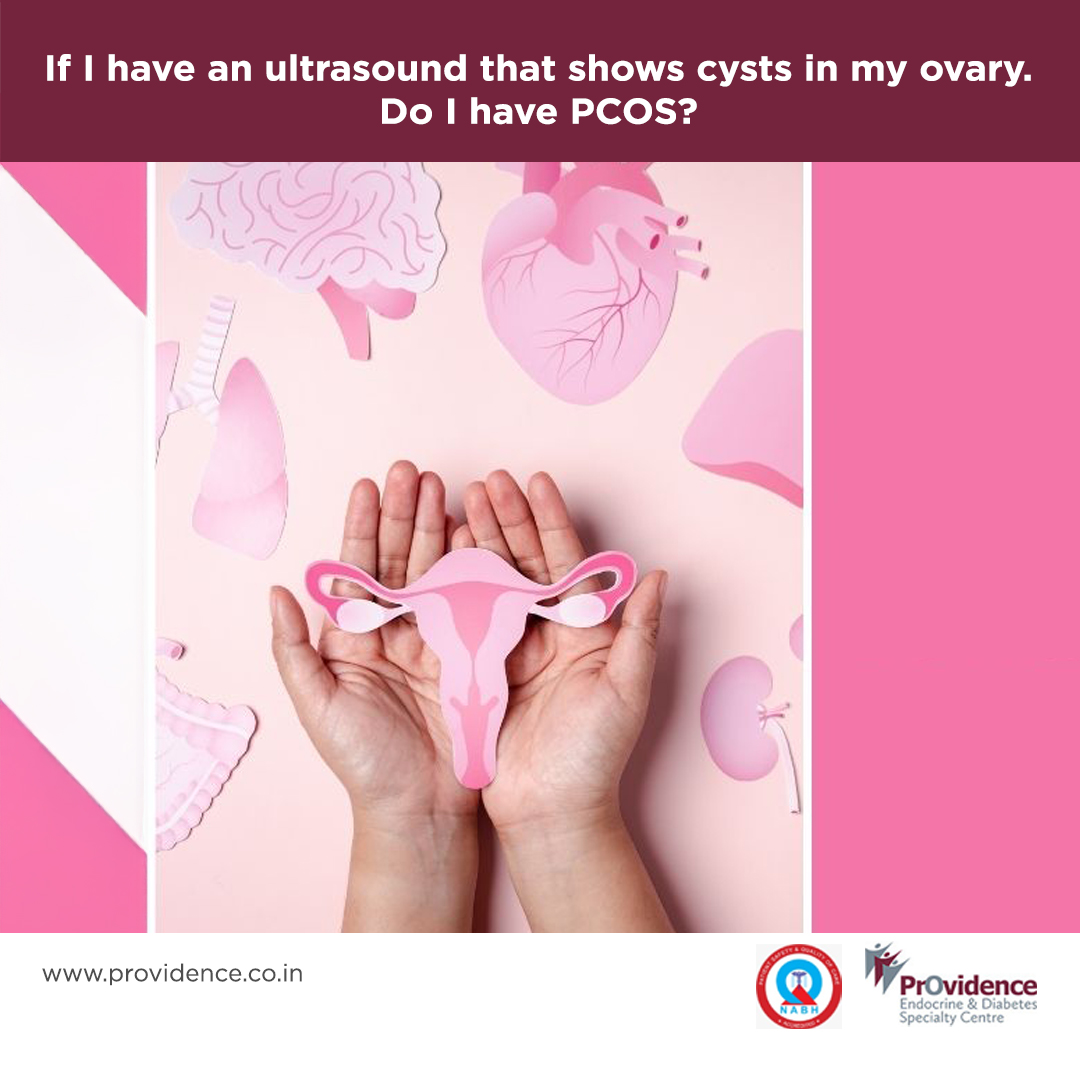
If I have an ultrasound that shows cysts in my ovary, do I have PCOS?

Polycystic Ovary Syndrome is a common condition that affects women during their reproductive age group. Around 10-25 % of women have it, depending on how the physician defines the disease.

To say that a lady has PCOS, any two of the following three conditions should be present

1. Irregular periods

2. Excessive hair growth on the face /other areas of the body ( or high male hormones in blood)

3. An appearance diagnostic of polycystic ovary in the ultrasound scan

Many women approach us with an ultrasound, believing that they suffer from PCOS. It is not so. Many other conditions, e.g. thyroid diseases, may also have these cysts in the ovary. Even a small population of normal women may also have it. So, the treating doctor will make sure that you don’t have any other disease that may cause cysts in your ovary before diagnosing PCOS.

Dr. Mathew John MD, DM

Categories
General

Is PCOS Curable?

This is a query that I face every day when I deal with women with PCOS. PCOS is an incompletely understood disease. Many of these women have excess body fat, leading to changes in hormone levels in the pituitary gland and ovaries and a lack of ovulation. But even some lean women may have it.

Every person with PCOS has some unique problem. For some, it may be irregular periods; for others, it may be hirsutism (excessive hair growth over the face or limbs) or infertility.

Treatment will aim to resume regular periods and ovulation, reduce hirsutism, and reduce the risk of metabolic diseases like diabetes. This can be achieved with weight loss, dietary modifications, combined oral contraceptive pills, anti-androgens, and LASER therapy. The aim is not to make the cysts in the ovary disappear.

Many women start having ovulation and regular periods when they lose weight, but hirsutism persists. For others, despite weight loss, periods may not resume. So, a combination of lifestyle measures and medicines will help people with PCOS. Furthermore, many benefits of weight loss may disappear when the person regains weight.

So, PCOS may not be curable, but it may be controlled.

Dr. Mathew John, MD, DM

Categories
General

Will PCOD disappear at menopause ?

Polycystic ovary disease is a hormonal problem that affects women in their reproductive age groups and cause menstrual irregularities infertility, hirsutism, glucose intolerance and obesity. But menopause marks the end of the reproductive state.Even though menopause doesn’t cure PCOD it can become less pronounced as a woman reaches her menopausal state around the age groups 45-55 years .Both PCOD and perimenopausal period ( the period before actual menopause ) share some common features like delayed or lack of menstruation for few months, acne, mood swings, changes in glucose metabolism and cholesterol levels and even abnormal weight gain. Women with PCOD are at increased risk of developing these problems putting them at high risk of developing cardio metabolic complications once they reach menopause. Hence proper life style management like dietary interventions, regular exercises and weight management are crucial to avoid these complications and should take the advice of the health care provider as and when required.In short,while menopause doesn’t cure PCOD, it can alter some of the hormonal imbalances and potentially reduce some PCOD symptoms.

Dr. Deepa G, MHSc (Diab), Dip ( Diab)

Categories
General

What can I do to avoid PCOD?

Polycystic Ovarian Disease (PCOD) is a common disorder affecting women of reproductive age. While it may not be entirely preventable, adopting healthy lifestyle practices can significantly lower risk factors and aid in effective symptom management.

1. Maintain a Balanced Diet 
•    Incorporate whole grains, high-fiber foods, lean proteins, and a variety of fruits and vegetables.
•    Opt for healthy fats such as those found in olive oil, nuts, and avocados.
•    Ensure adequate hydration by drinking sufficient water; limit the intake of sugary and caffeinated beverages.
•    Minimize consumption of fried or processed foods, sugary snacks and drinks, refined carbohydrates, excessive full-fat dairy, and red or processed meats.

2. Achieve and Maintain a Healthy Weight 
•    Even a modest weight loss of 5–10% can contribute to symptom improvement.
•    Focus on gradual, sustainable changes rather than rapid weight loss.

3. Engage in Regular Physical Activity 
•    Aim for a minimum of 150 minutes of moderate exercise per week to assist with weight management, improve insulin sensitivity, and promote hormonal balance.

4. Manage Stress Effectively 
•    Implement stress-reduction techniques such as yoga, meditation, or mindfulness, as chronic stress can exacerbate symptoms.

5. Prioritize Quality Sleep 
•    Strive for 7–8 hours of restful sleep each night to support hormonal regulation and metabolic health.

6. Maintain Regular Meal Patterns 
•    Consuming meals at consistent intervals can help stabilize blood glucose levels.
In summary, while no single intervention can guarantee the prevention of PCOD, a comprehensive approach involving nutritional, physical, and psychological well-being can reduce risk and enhance overall health outcomes.

Dr. Tittu Oommen MD, DM