Categories
Uncategorized

When is puberty considered to be delayed ?

Puberty is delayed when there is no sign of pubertal development in boys by 14 years and in girls by 13 years. The first sign of puberty in girls is breast enlargement. It is mostly visible and sometimes mildly painful. In boys, the first sign of puberty is enlargement of the testes. This is usually not noticeable. However, most boys are brought to the endocrinologists only when parents fail to notice pubic hair growth.
But pubic hair growth can be present even in people with pubertal delay.

Categories
Uncategorized

Which is the best medicine for osteoporosis ?

Of the various medicines available for osteoporosis, the endocrinologist can decide the best choice based on the risk of fractures for the patient, the BMD, age, cause for osteoporosis and safety of the medicines.

This will be an informed decision made in discussion with you. In general, your doctor will use medicines that add bone when you have very poor BMD or you have had fractures in the past. This includes medicines like Teriparatide. Otherwise he may use drug classes like bisphosphonates or denosumab. Sometimes, the doctor may use a combination of drugs.

Categories
Uncategorized

What are the medicine options for osteoporosis ?

Osteoporosis is a treatable medical condition. Treating osteoporosis can strengthen the bone and prevent fractures. Depending on the severity of osteoporosis, we can use various drugs.

Medicines that prevent bone destruction

  • Bisphosphonates
  • Denosumab
  • Raloxifene

Medicines that build bones

  • Teriparatide
  • Abaloparatide
  • Romosozumab
Categories
Uncategorized

Which speciality treats osteoporosis ?

Osteoporosis is one of most common chronic disease. Everyone should be aware of the risk factors for osteoporosis. Being a metabolic disease of bone, osteoporosis is primarily managed by endocrinologists. They do tests to understand the reason for osteoporosis and treats it. Osteoporosis is strongly associated with arthritis and is also treated by rheumatologists. Many people with osteoporosis patients will never know that they have the disease till they sustain the first fracture. They will be treated by orthopaedic surgeons.

Categories
Uncategorized

What is FRAX score ?

  • Your risk of breaking a bone is more than just your bone density score. Your risk is based on a variety of factors, including family history, medical conditions you’ve had and medicines you’ve taken.
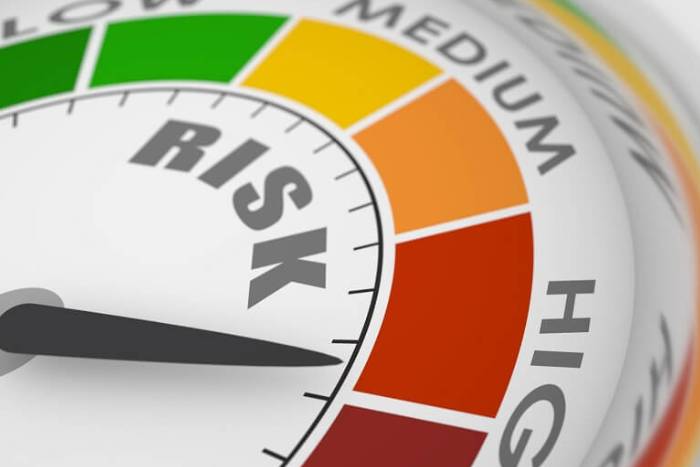
  • The FRAX® tool, an osteoporosis risk assessment test, uses information about your bone density and other risk factors for breaking a bone to estimate your 10-year fracture risk.
  • Your FRAX® score estimates your chance of breaking a hip as well as your combined chance of breaking a hip or other major bones over the next ten years. Other major bones include the spine, hip, forearm and shoulder.
Categories
Uncategorized

Can I diagnose osteoporosis with blood tests ?

  • Osteoporosis cannot be diagnosed with blood tests, however, blood and urine tests can be used to identify if you have another medical condition that is causing bone loss.
  • Some of these tests include: Blood calcium levels, thyroid function tests, parathyroid hormone levels, testosterone levels in men,25-hydroxy vitamin D
  • Also tests of the blood and/or urine may help to estimate how fast you’re losing or making bone, which are important when you are on treatment.
Categories
Uncategorized

What is T score ?

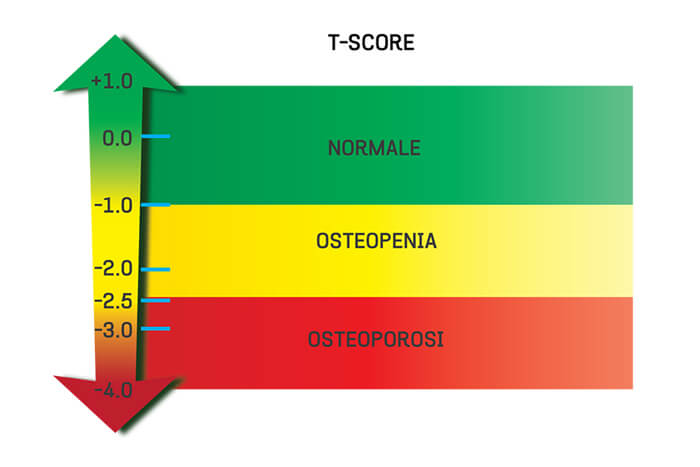
Your bone density test results are reported using T-scores.

  • A T-score shows how much your bone density is higher or lower than the bone density of a healthy 30-year old adult.
  • A T-score of -1.0 or above is normal bone density.
  • A T-score between -1.0 and -2.5 means you have low bone density or osteopenia.
  • A T-score of -2.5 or below is a diagnosis of osteoporosis.
Categories
Uncategorized

How is osteoporosis diagnosed ?

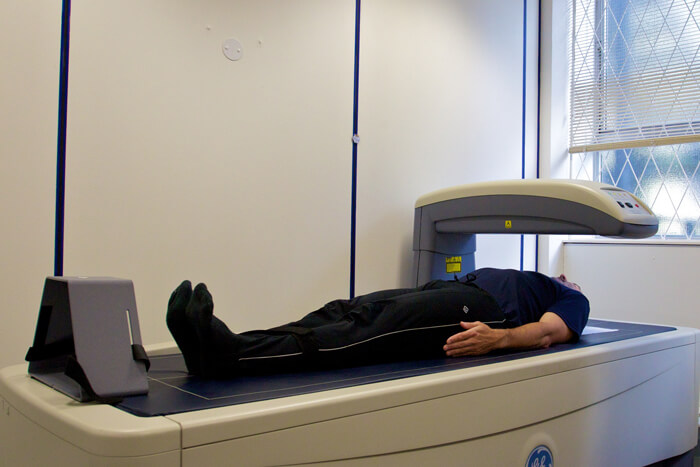
Osteoporosis is usually diagnosed by using DXA (Dual Energy Xray Absorptiometry)for
measuring Bone Mineral Density (BMD). It is a non invasive test and is not painful. It involves checking your spine, hip and wrist for bone thinning. Other tests include qCT ( quantitative CT ) and ultrasound based screening for osteoporosis.

Once osteoporosis is diagnosed, we need to look into the reasons why it has occurred.
The reasons can be very diverse from calcium and vitamin D deficiency to malignancies like multiple myeloma or hormonal diseases like hyperparathyroidism.

Categories
Uncategorized

What are the risk factors for osteoporosis ?

You are at risk of osteoporosis if you have any of the following risk factors.

  • Post menopausal
  • Low calcium intake
  • Low hormone levels e.g. estrogen deficiency or testosterone deficiency
  • Excessive thyroid replacement ( and hyperthyroidism)
  • Long term use of steroids
  • Inflammatory arthritis
  • Family history of osteoporosis
  • Hyperparathyroidism
  • Smoking
  • Alcohol
Categories
Uncategorized

COVID Message

What are the uncommon signs and symptoms of Corona virus infection?

We know that the common signs of corona virus infection are fever, cough, shortness of breath, running nose and sore throat. However, coronavirus may cause some medical issues which are less commonly recognised
1. Eye infections: conjunctivitis
2. Skin problems: skin rashes (hives to measles like rash), bluish discolouration of the toes /fingers, vasculitis, purpuric rashes etc
3. Gastric symptoms: includes poor appetite and diarrhoea
4. Cardiac: cardiac injury (myocarditis), coronary artery disease, venous thromboembolism, arrythmias
5. Neurological: hyposmia/anosmia (reduced sense of smell), ageusia/hypogeusia (reduced taste) , headache, loss of consciousness, dizziness, neuralgic pain and muscle injury

Are you at risk of corona virus infection?

Although anyone can develop corona virus infection, some people are at increased risk of corona virus infections. If you have the following medical conditions you are at excess risk 1. Age more than 65 years 2. Diabetes mellitus 3. Any heart disease 4. Kidney disease 5. Asthma and Chronic Pulmonary Disease 6. Anyone on oral/injectable steroids 7. Cancer and cancer chemotherapeutic agents. Take extra precautions in case you have any of these conditions.
Always remember that you can contract the infection only if you are in close contact with someone with infection. Following all precautions can prevent you from having a corona virus infection.

Are people using certain drugs for blood pressure at increased risk for COVID 19 infections?

Certain concerns have been raised about certain drugs used in hypertension and diabetes to increase the risk of COVID infection. As of date there are no scientific proof to discontinue these medicines. In fact, there is some science that discontinuing drugs like ACEI (e.g. ramipril) and ARB (e.g. Telmisartan, Losartan) can in fact be harmful. Many professional organisations including the American and European Society of Cardiology recommends that you don’t discontinue any medicines that you are on without consulting your doctor.

Will keeping my blood glucose under control help me for preventing coronavirus infection?

It seems so. One of the reasons people with diabetes are prone to viral respiratory infections is due to the increased blood glucose. Having high blood glucose reduces immunity and also promotes some mechanisms by which the COVID-19 virus attacks the lungs. Keeping the blood glucose under check can help reduce the risk of COVID 19 infections

What are the general precautions I can follow to prevent corona virus infections?

Since the virus spreads mostly by aerosols, we should avoid contact with people who have COVID 19 infection. This is especially true of people with cough, fever, sore throat and running nose. But during the carrier stage people may not have any signs of infection, but can still spread the virus. So, it is important to practice hygiene at all times. To avoid COVID infection 1. Wash hands regularly 2. Avoid touching face, nose, mouth and eyes repeatedly 3. Avoid contact with people who are sick. Avoid everything except essential travel including travel for non-emergency medical care.