


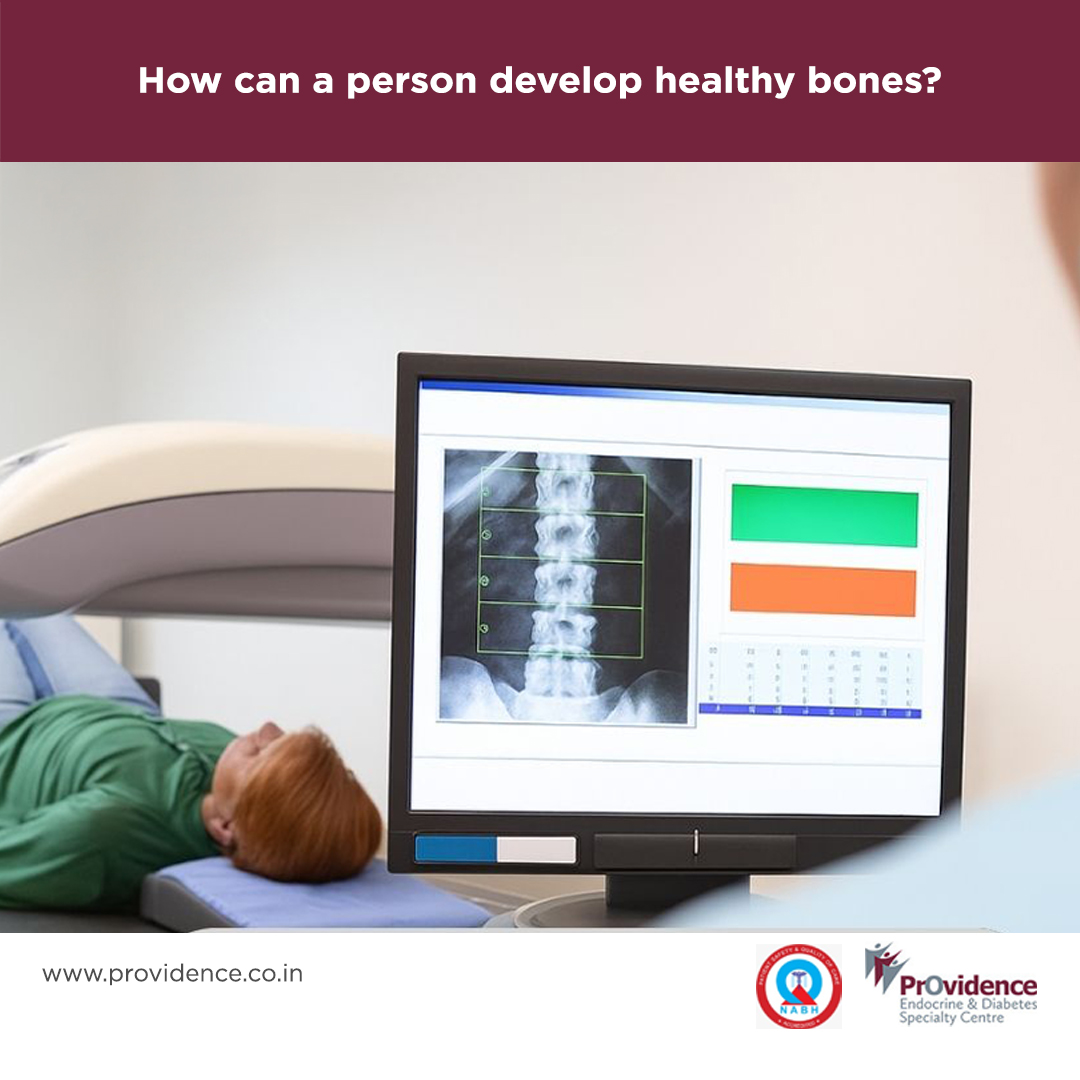
Bone development begins even before birth and continues until the maximum amount of bone tissue is formed, known as peak bone mass. More than 90% of this peak is achieved by around age 20 in boys and 18 in girls, though bone formation continues into the late 20s. During this time, bone formation exceeds bone breakdown, leading to a net gain in bone strength. Achieving higher peak bone mass depends on adequate calcium, vitamin D, and protein intake, along with regular physical activity, healthy hormonal balance, proper puberty timing, and genetic factors.
After about 30 years of age, bone mass generally stabilizes. With advancing age, however, bone breakdown gradually outpaces bone formation. In women, this process accelerates around menopause due to the decline in oestrogen levels, resulting in faster bone loss. Maintaining adequate levels of calcium, vitamin D, protein, physical activity, and hormonal balance supports stronger bones throughout life.
Certain factors accelerate bone loss, including chronic illnesses such as diabetes and bronchial asthma, long-term steroid use, loss of sex hormones (as seen after ovariectomy or orchidectomy), excessive alcohol consumption, and smoking—all of which can increase the risk of fractures.
Dr. Mathew John, MD, DM